Understanding Wacky Letter: A Creative and Entertaining Writing Style
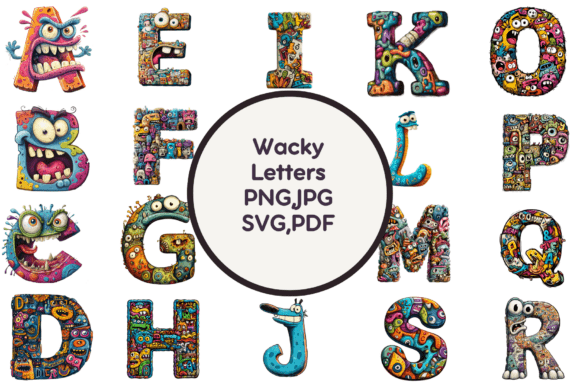
Wacky Letter is a unique form of written expression that deviates from conventional letter-writing norms to create an engaging and humorous experience for the reader. This style of writing is characterized by its imaginative approach, playful language, and unexpected twists. It often features exaggerated characters and quirky situations that make it stand out from traditional correspondence.
What Makes Wacky Letter Unique?
Unlike standard letters, which follow a structured format, Wacky Letters embrace creativity and spontaneity. They may include unconventional layouts, unusual fonts, and even visual elements that enhance the overall effect. The goal is to entertain and amuse rather than convey serious information. This makes Wacky Letters ideal for personal communication, creative projects, or even marketing campaigns aimed at capturing attention in a fun way.
Reasons to Consider Wacky Letter
There are several reasons why someone might be interested in Wacky Letters. For individuals looking to express themselves in a more creative manner, this style offers a refreshing alternative to traditional writing. It can also be useful for educators who want to engage students with interactive and entertaining content. Additionally, businesses may find Wacky Letters beneficial for branding efforts that aim to stand out in a competitive market.
Benefits of Using Wacky Letter
One of the primary benefits of Wacky Letters is their ability to capture attention. In a world where people are constantly bombarded with information, a well-crafted Wacky Letter can cut through the noise and leave a lasting impression. Furthermore, these letters can foster creativity and encourage out-of-the-box thinking, making them valuable tools for both personal and professional development.
Tradeoffs and Considerations
While Wacky Letters offer many advantages, there are also tradeoffs to consider. Their informal nature may not be suitable for all situations, particularly those requiring a professional tone. Additionally, the creative process involved in crafting a Wacky Letter can be time-consuming, requiring careful planning and execution. It's important to assess whether the intended audience will appreciate the style and whether the message aligns with the purpose of the communication.
Situations Where Wacky Letter Excels
Wacky Letters are particularly effective in scenarios where creativity and humor are valued. For example, they can be used in social media campaigns, promotional materials, or even as part of a storytelling project. They are also ideal for personal correspondence among friends or family members who enjoy a bit of levity in their interactions. In educational settings, Wacky Letters can serve as a fun way to teach writing skills and encourage imagination.
When Alternatives Might Be Better
There are instances where a more traditional approach may be more appropriate. For formal communications, such as business proposals or official notices, a Wacky Letter may not be the best choice. In these cases, clarity and professionalism are essential, and the structure of a standard letter is more suitable. Similarly, if the goal is to convey complex information, a straightforward format may be more effective than a whimsical one.
Practical Decision-Making Insights
When deciding whether to use a Wacky Letter, it's important to consider the context, audience, and purpose of the communication. Ask yourself: Is the message something that would benefit from a creative twist? Will the recipient appreciate the humor and playfulness? Are there any cultural or situational factors that could affect the reception of the letter? By answering these questions, you can determine whether a Wacky Letter is the right fit for your needs.
In conclusion, Wacky Letters offer a fun and imaginative way to communicate, but they require careful consideration to ensure they are appropriate for the situation. Whether you're looking to add some flair to your writing or explore new creative avenues, understanding the strengths and limitations of this style can help you make informed decisions about its use.